

A mood board is one of the most powerful tools in a brand's visual toolkit, yet many marketing teams still treat it as an afterthought. According to HubSpot's 2025 State of Marketing Report, 92 percent of marketers plan to continue or increase investment in brand awareness campaigns. That means visual consistency matters more than ever. Whether you are launching a new product line or refreshing an existing catalog, a well-crafted mood board provides the creative compass your team needs. In this guide, we walk you through every step of generating a mood board that drives real results, from defining your brand identity to using AI-powered tools that take the guesswork out of visual strategy.
What Is a Mood Board?
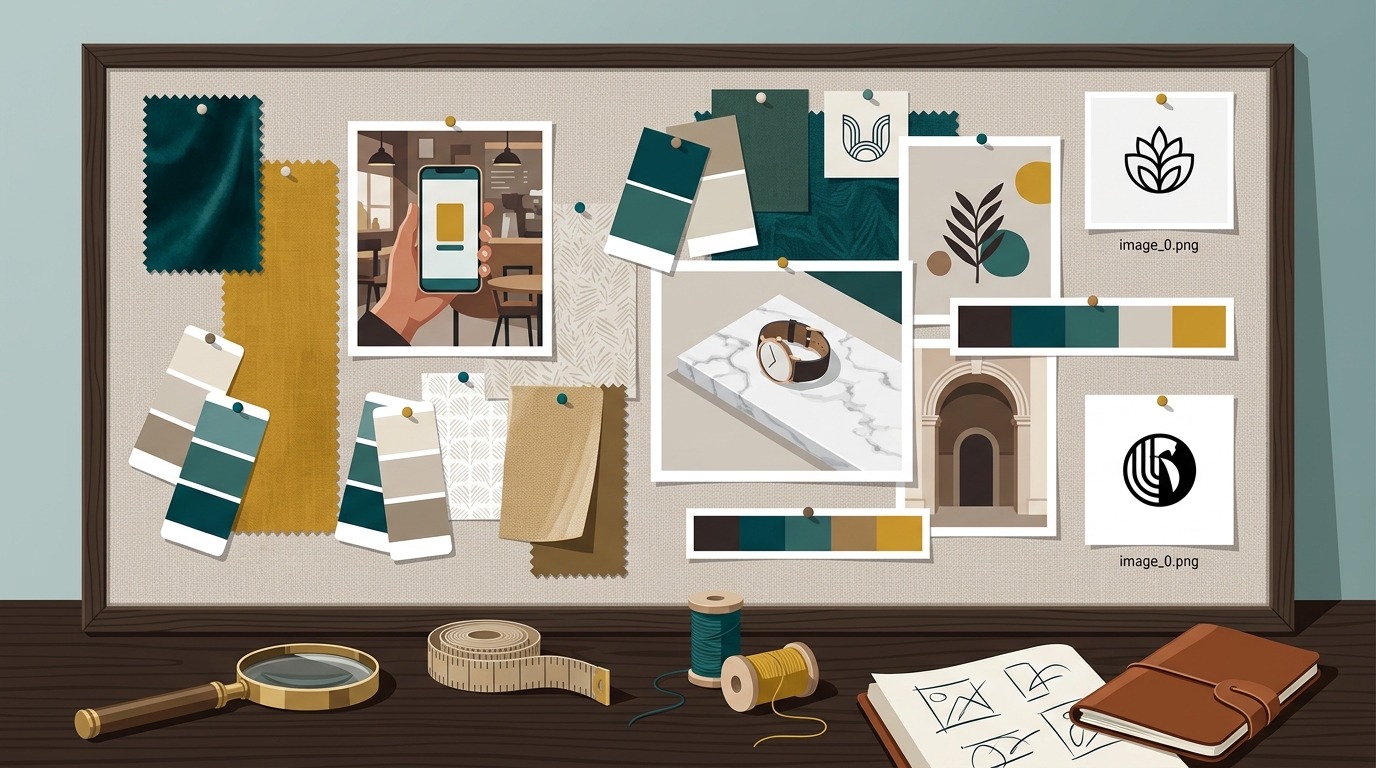
A mood board is a visual collage of images, colors, textures, typography, and other design elements arranged to communicate a specific aesthetic direction. It serves as a shared reference point for designers, marketers, and stakeholders, aligning everyone on how a brand should look and feel before any production begins.
Unlike a brand book, which documents finalized guidelines, a mood board sits at the beginning of the creative process. It is an exploration tool, helping teams test and refine ideas before committing to a direction. For e-commerce brands managing hundreds or thousands of SKUs, this upfront alignment can save significant time and budget down the line.
Why Mood Boards Matter for Visual Strategy
Visual consistency is not just a nice-to-have. Research suggests that brands with strong, cohesive identities can earn up to 26% more than their competitors. A mood board is the most efficient way to establish that consistency across every touchpoint, from your Amazon listing images to Instagram ads.
Mood boards also reduce creative misalignment. As one branding resource puts it, they give form to abstract words like "premium" or "youthful" so that everyone on the team interprets the direction the same way. Fewer revisions, faster approvals, and content that converts from day one.
Aligning Cross-Functional Teams
When your product team, creative studio, and media buyers all reference the same mood board, the output stays on-brand at scale. This is especially critical for global brands managing content across multiple marketplaces and social channels.
Step-by-Step: How to Generate a Mood Board
1. Define Your Brand Identity and Goals
Start by documenting your brand's core values, target audience, and the specific campaign or product line the mood board will support. Ask: What emotion should this visual content evoke? What action should a customer take after seeing it?
2. Gather Competitive and Market Inspiration
Research visual content that is performing well in your category. Review competitor listings on Amazon, trending posts on Instagram and Pinterest, and top-performing ad creatives. Note recurring color palettes, compositions, and styles. Tools like Dresma's AI mood board generator automate this by scanning top-performing visuals across platforms and competitors in your space.
3. Curate and Organize Your Elements
Select images, color swatches, typography samples, textures, and layout references. Organize them into logical groupings: hero shots, lifestyle contexts, color palette, and typography. Keep it focused. A mood board with too many competing ideas loses its strategic value.
Traditional vs. AI-Powered Mood Boards
Not all mood boards are created equal. The table below compares the traditional manual approach with an AI-driven workflow.
| Feature | Traditional Mood Board | AI-Powered Mood Board |
|---|---|---|
| Data source | Manual research, Pinterest, magazines | Automated scan of Amazon, Instagram, competitor listings |
| Time to create | Several hours to days | Minutes |
| Personalization | Designer's interpretation | Tailored to brand voice, color, and product category |
| Performance insight | None (based on taste) | Backed by engagement and conversion data |
| Scalability | One board at a time | Multiple boards across categories |
| Collaboration | Shared via PDF or physical board | Cloud-based, real-time sharing |
For large brands and retailers producing content at scale, AI-powered mood boards provide a clear advantage: creative direction rooted in data rather than guesswork.
Essential Elements of a High-Impact Mood Board
A mood board is a strategic document, not a decorative collage. Every element you include should serve a purpose.
Color Palette
Colors trigger emotional responses. Select 3 to 5 primary colors that align with your brand identity and the mood you want to convey. Pantone named Mocha Mousse as its 2025 Color of the Year, reflecting consumer desire for warmth and stability. Consider how trending palettes might complement your brand.
Typography and Imagery
Include font samples that reflect your brand personality. Pair them with reference images showing your preferred photography style, whether that is clean product shots on white backgrounds or lifestyle imagery with contextual props. If you are an e-commerce brand managing product photography, consistency in image style across your catalog builds trust and recognition.
Layout and Composition
Show examples of how visual assets should be arranged on listing pages, social feeds, and ad placements. This helps content creators understand spacing, hierarchy, and focal points before they start producing assets.
Using AI to Build Data-Backed Mood Boards
Traditional mood boards rely on a designer's taste and intuition. AI-powered mood board generators flip this model by analyzing real performance data from live marketplaces and social platforms.
Dresma's mood board generator follows a three-step process: first, you upload your existing content so the platform can learn your brand aesthetic. Second, it benchmarks your visual strategy against top competitors across platforms like Pinterest, Instagram, and Amazon. Third, it recommends visual formats and themes aligned with your brand and optimized for engagement.
This data-driven approach is especially valuable for enterprise brands that need to maintain visual consistency across multiple product categories and global markets. Instead of starting from a blank canvas, your creative team begins with insights drawn from what is already working in your category. Pair this with AI-generated backgrounds and AI model generation to move from mood board to finished content in a fraction of the traditional timeline.
Key Takeaways
- A mood board is a visual collage that establishes creative direction before content production begins.
- Brands with consistent visual identities can outperform competitors by significant margins.
- Define your brand values, audience, and goals before gathering any visual inspiration.
- Competitive analysis is essential: study what is performing on Amazon, Instagram, and Pinterest in your category.
- AI-powered mood board tools replace guesswork with data, pulling insights from real engagement metrics.
- Keep your mood board focused: 3 to 5 colors, clear typography, and purposeful imagery.
- Use your mood board as a living document that evolves with seasonal trends and campaign shifts.
Frequently Asked Questions
What is a mood board in visual marketing?
A mood board is a curated collection of images, colors, fonts, and textures that communicates the intended look and feel of a brand or campaign. It acts as a visual brief that aligns creative teams before production starts.
How is a mood board different from a brand book?
A mood board is created at the start of the branding process to explore visual directions. A brand book is a finalized reference document containing your confirmed logo, colors, fonts, and usage guidelines.
Can AI generate mood boards automatically?
Yes. AI mood board generators like Dresma's analyze competitor content and platform performance data to produce mood boards tailored to your brand's aesthetic, product category, and target audience.
What should I include on a brand mood board?
Include a color palette (3 to 5 colors), typography samples, reference images for photography style, texture or material swatches, and layout examples showing preferred composition and spacing.
How often should I update my mood board?
Review your mood board at least quarterly or whenever you launch a new campaign, enter a new market, or notice a significant shift in competitor visual strategies.
Do mood boards improve e-commerce conversion rates?
Indirectly, yes. By ensuring visual consistency and aligning content with proven high-performing styles, mood boards help produce product images and ads that resonate with shoppers and drive clicks.
What platforms should I analyze when building a mood board?
Focus on the platforms where your customers shop and browse. For most e-commerce brands, this includes Amazon, Instagram, Pinterest, and your own website. Tools like Dresma's mood board generator scan multiple platforms simultaneously.
Is a mood board useful for large product catalogs?
Absolutely. For brands with hundreds or thousands of SKUs, mood boards provide a scalable way to maintain visual consistency across categories without briefing every asset individually.
Ready to Build Your Visual Strategy?
Stop guessing what content will perform. Book a free demo with Dresma and get a data-backed mood board tailored to your brand, your competitors, and your category. Start creating visuals that convert.