

How to Generate a Mood Board for Your Brand's Visual Strategy
A mood board is one of the most powerful yet underused tools in a brand's visual toolkit. It aligns your team, guides content creation, and ensures every image you publish feels intentionally on-brand. Yet many eCommerce and retail brands skip this step, jumping straight into content production and ending up with visuals that feel scattered. Whether you sell on Amazon, Shopify, or your own DTC site, building a strategic mood board saves time, reduces revision cycles, and drives higher-converting content. In this tutorial, you will learn exactly how to generate a mood board that anchors your brand's entire visual strategy.
What Is a Brand Mood Board?
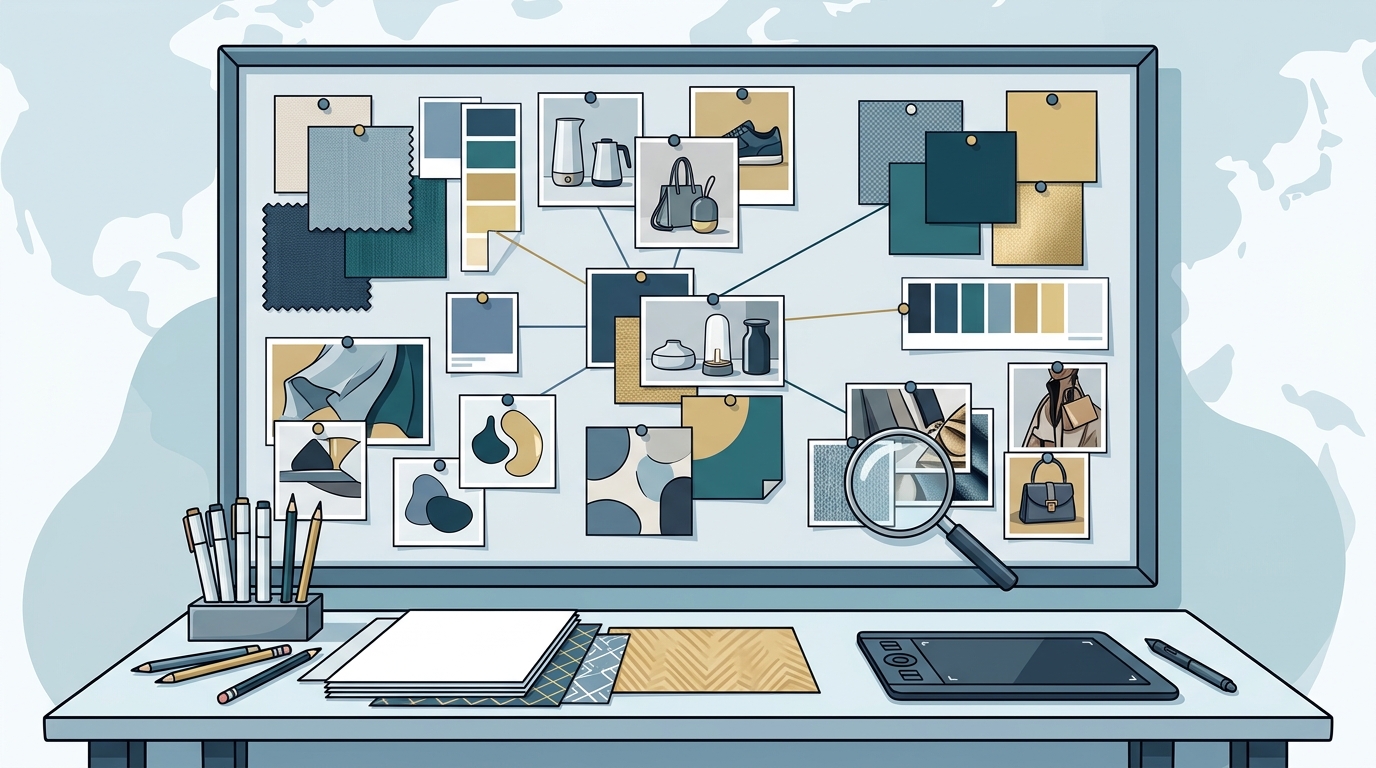
A brand mood board is a curated collection of visual references, including colors, images, typography, textures, and patterns, that communicates your desired aesthetic and brand direction. Think of it as a visual compass that guides every design decision your team makes, from product photography to ad creatives.
Unlike a simple Pinterest board of pretty images, a strategic mood board captures the emotions your brand aims to evoke and translates them into actionable creative direction. According to Ramotion, a brand mood board is a visual representation of what you want your brand to feel like. It narrows broad inspiration into focused, consistent identity elements.
Why Mood Boards Matter for Visual Strategy
Visual consistency is not optional in eCommerce. According to the U.S. Chamber of Commerce data cited by Renegade Marketing, more than half of brand first impressions are visual. That means your imagery could make or break a buyer's purchase decision.
Mood boards serve as a single source of truth for designers, marketers, and content teams. They create alignment across teams by giving everyone a shared visual language, speed up communication, and prevent costly misinterpretation. For brands producing content at scale across Amazon, Instagram, and their own storefronts, this alignment is critical.
The ROI of Getting It Right
Brands with strong, consistent visual identities earn up to 26% more revenue than their counterparts, according to Inkbot Design. A mood board is the first step toward that consistency, and the investment of time pays dividends across every piece of content you produce.
Essential Elements of an Effective Mood Board
Not all mood boards are created equal. A strategic mood board for eCommerce should include specific elements that translate directly into production-ready content. Here is what to include:
| Element | Purpose | Example |
|---|---|---|
| Color Palette | Defines emotional tone and brand recognition | 3-5 primary colors with hex codes |
| Typography | Conveys brand voice visually | Primary headline font + body font pairing |
| Photography Style | Sets the look for product and lifestyle images | Bright and airy vs. moody and editorial |
| Textures & Patterns | Adds depth and tactile feel | Linen, marble, gradients |
| Competitor References | Identifies category benchmarks | Top-performing visuals from your niche |
| Platform-Specific Cues | Adapts content for each channel | Amazon PDP layout vs. Instagram Reels |
Step-by-Step: How to Generate Your Mood Board
Step 1: Define Your Brand's Core Identity
Before collecting a single image, clarify your brand values, target audience, and the emotions you want to evoke. What does your brand stand for? Who is your ideal customer? What feelings should your visuals trigger? These answers form the foundation of every visual choice you make.
Step 2: Gather Visual Inspiration
Collect images, color swatches, fonts, and textures from diverse sources. Scan platforms like Pinterest, Instagram, and competitor marketplaces. Do not limit yourself to your own industry; cross-category inspiration often produces the most distinctive results. If you work with Dresma's AI mood board generator, you can upload your past content and let the platform adapt to your aesthetic automatically.
Step 3: Analyze Competitor Performance
This is where most manual mood boards fall short. A truly strategic mood board is informed by what is actually working in your category. Dresma's tool, for instance, scans top-performing visuals across Amazon, Instagram, and competitor channels to surface data-backed trends rather than subjective guesses.
The Data-Driven Approach to Mood Boards
A data-driven mood board is a mood board built on performance analytics rather than aesthetic intuition alone. Traditional mood board tools focus on curation; data-driven tools focus on what converts.
Dresma's AI-powered mood board generator follows a simple three-step process: upload your past content so the platform adapts to your brand, let AI gauge your visual strategy against top competitors on Pinterest, Instagram, and Amazon, and then receive recommended visual formats and themes aligned with your brand and audience preferences.
This approach matters because your mood board becomes more than inspiration. It becomes a strategic brief that feeds directly into AI-powered content production workflows, from lifestyle images and flat lays to ad creatives and marketplace-ready visuals. Dresma's technology has powered over 9 million eCommerce images and delivered a 60% increase in conversion rates for sellers using the platform.
Common Mistakes to Avoid
Even experienced brand teams make mood board mistakes that undermine their visual strategy. Here are the pitfalls to sidestep:
- Ignoring your audience: A mood board that reflects your personal taste but not your customer's preferences will misfire. Always anchor choices in audience research.
- Overloading the board: More is not better. Stick to 15-25 curated elements that tell a cohesive story. A cluttered board creates confusion, not clarity.
- Skipping competitor analysis: Your mood board should position you within your category, not in a vacuum. Understand what top performers are doing before you differentiate.
- Making it static: Your mood board should evolve. Revisit it quarterly or before major campaigns. Seasonal shifts, new product lines, and platform algorithm changes all warrant updates.
- Disconnecting from production: A mood board that never translates into actual content is wasted effort. Connect your mood board to your content creation tools so it drives real output.
Key Takeaways
- A mood board is a strategic visual tool, not just an aesthetic collage. It should guide every piece of brand content you create.
- Start with brand values and audience research before collecting any visuals.
- Include color palettes, typography, photography style, textures, and competitor references.
- Data-driven mood boards outperform intuition-only boards by grounding creative direction in performance analytics.
- Analyze competitor visuals across platforms like Amazon, Instagram, and Pinterest to identify category benchmarks.
- Revisit and refresh your mood board quarterly to stay aligned with market trends.
- Connect your mood board to production workflows so it translates into conversion-ready content at scale.
Frequently Asked Questions
What is a mood board in visual marketing?
A mood board is a curated collection of visual elements, including images, colors, fonts, and textures, that defines the aesthetic direction and emotional tone of a brand's visual strategy. It serves as a reference point for all content creation.
How many images should a mood board include?
Aim for 15-25 carefully selected elements. The goal is cohesion, not volume. Each piece should reinforce your brand's core identity and contribute to a unified visual story.
Can I use AI to create a mood board?
Yes. AI-powered tools like Dresma's mood board generator analyze competitor performance data and your existing brand assets to produce strategic, data-backed mood boards automatically.
How often should I update my mood board?
Review your mood board at least once per quarter. Update it before major product launches, seasonal campaigns, or when entering new sales channels to keep your visual strategy current.
What is the difference between a mood board and a brand guide?
A mood board captures the inspirational direction and emotional tone for your brand's visuals. A brand guide is a more detailed document that codifies specific rules for logo usage, color codes, typography, and spacing. The mood board typically informs the brand guide.
Do I need design skills to make a mood board?
No. While traditional mood boards require some design sense, AI-driven platforms handle the curation and layout for you. You simply provide your brand information and existing content, and the tool does the rest.
How does a mood board improve eCommerce conversions?
Consistent, on-brand visuals build trust and recognition. When your product images, ads, and social content all follow a unified visual strategy set by your mood board, shoppers perceive your brand as more professional and reliable, leading to higher click-through and conversion rates.
Can one mood board work across multiple platforms?
A single core mood board establishes your brand identity, but you should create platform-specific variations. What works on an Amazon product detail page differs from Instagram Reels or a Shopify homepage. Tools like Dresma adapt mood board recommendations to each platform's best practices.
Start Building Your Data-Driven Mood Board
Stop guessing what content to create. Book a free demo with Dresma and get a data-backed mood board tailored to your brand, your category, and your competitors. Turn visual strategy into visual results, starting today.